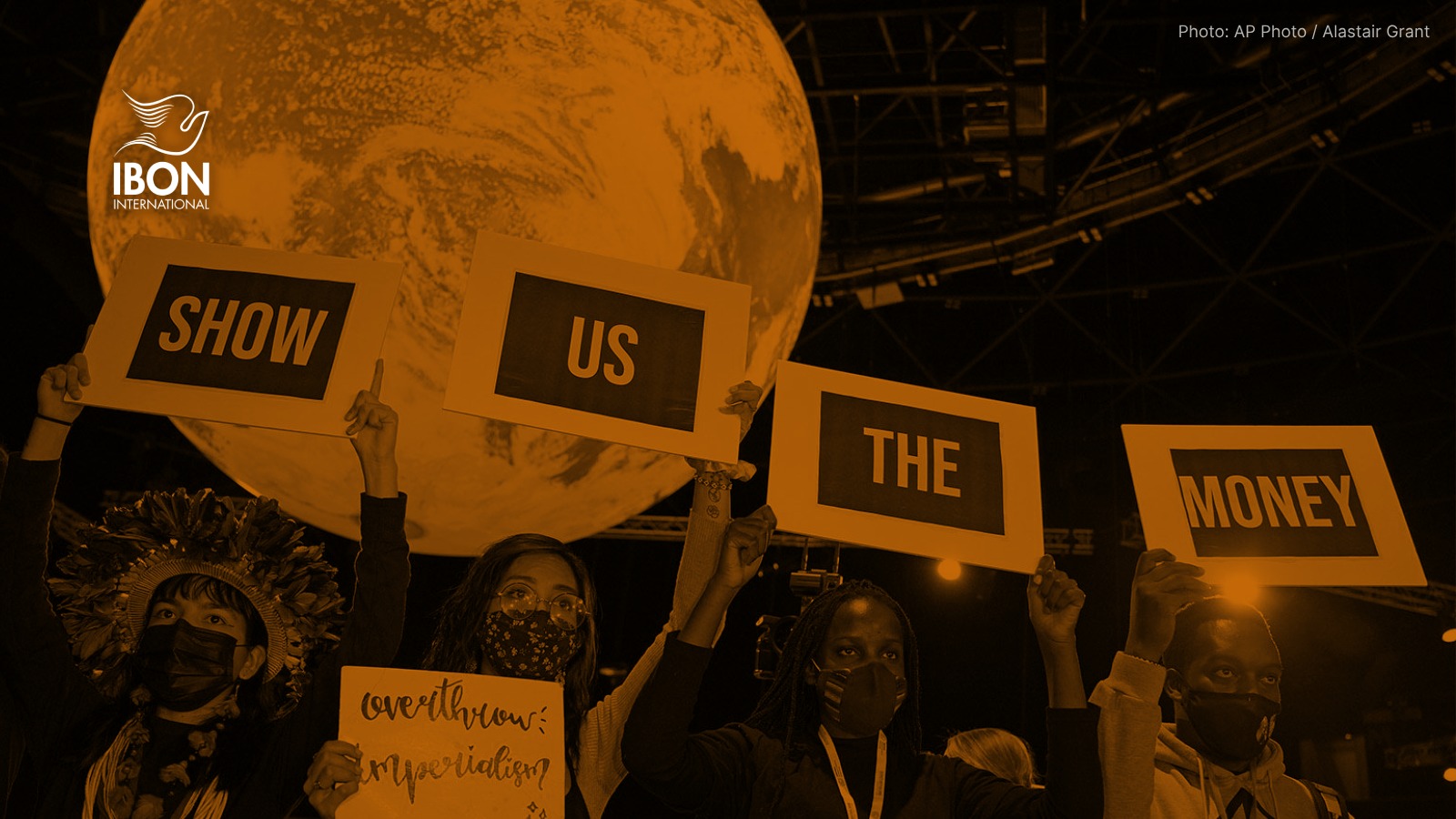
IBON Africa coordinator Caroline Muturi delivered an input at a press conference at the 2024 United Nations Climate Change Conference (COP 29) held on November 11, 2024. It has been edited for clarity.
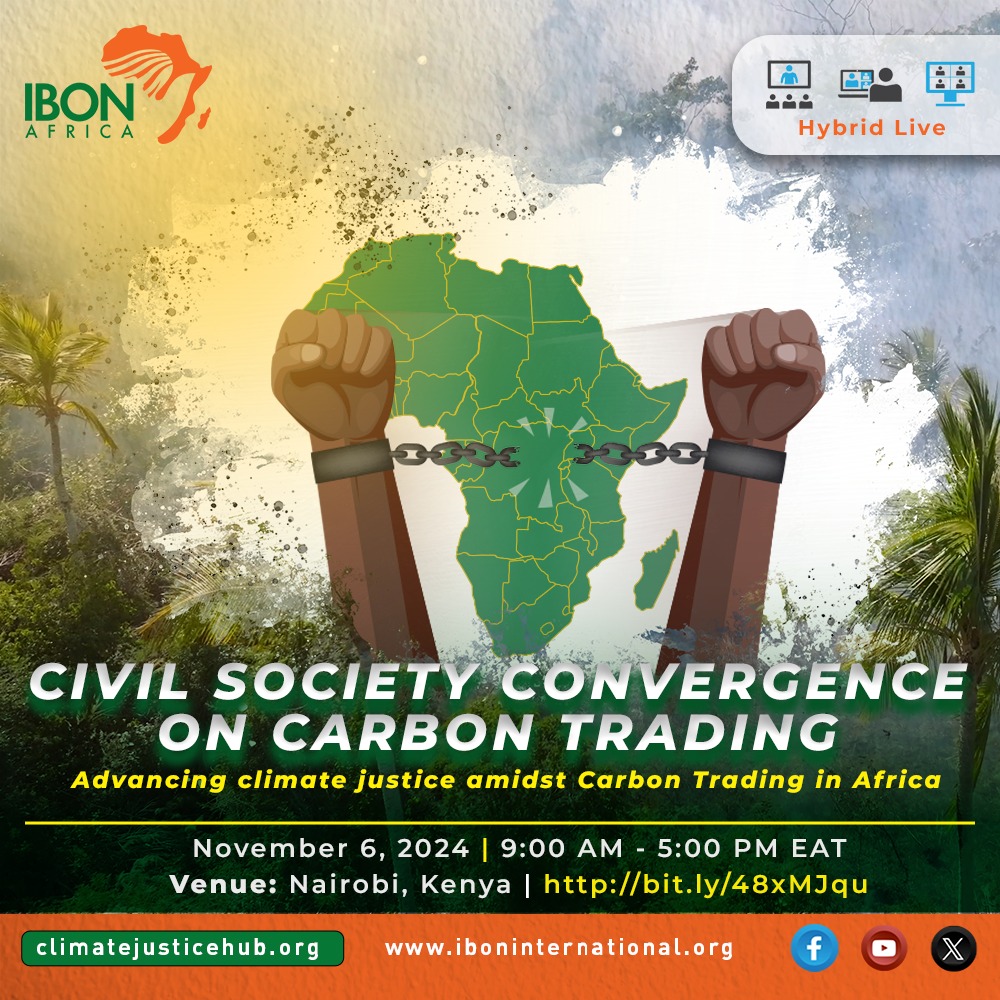
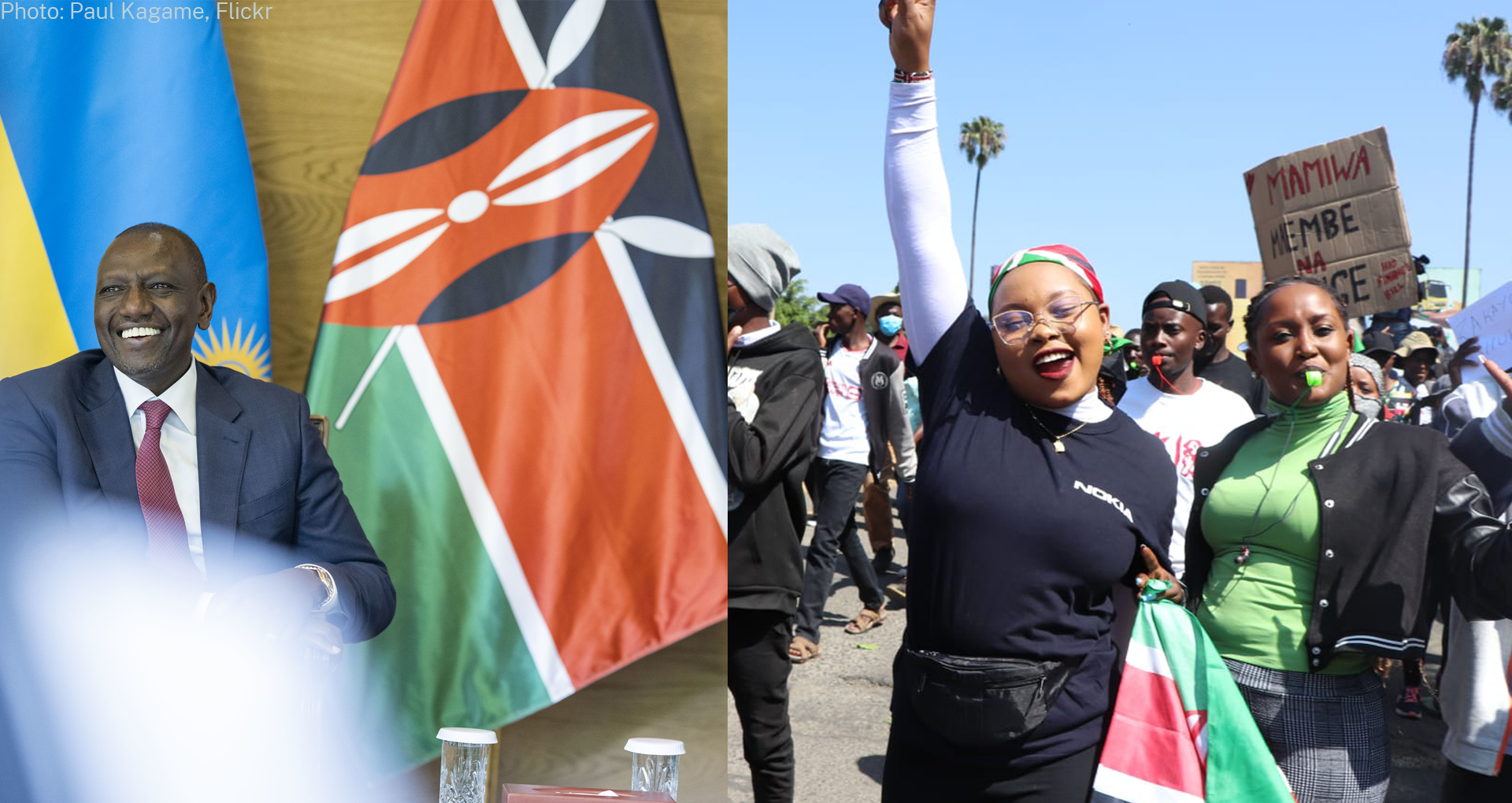
I would like to begin by sharing how Africa is currently inundated by carbon market projects, which negatively impact local communities and Indigenous Peoples. In Kenya, we have the Ogieks community from Mau Complex and Maasai community from Tanzania who are dispossessed in the guise of forest conservation while corporations sign deals with the government to take over the management of Africa’s natural resources.
Aside from obvious negative impacts on the rights of peoples and communities, the promotion of false solutions hinders the recognition and wider adoption of real solutions. To overcome these barriers, it is essential to amplify and put emphasis on the solutions developed and owned by communities themselves. This requires supporting grassroots initiatives, creating platforms to share and scale these practices, and educating policymakers, the media, and the public about the limitations of carbon markets. By shifting the focus towards these approaches, we can counter false narratives and promote solutions that genuinely address the climate crisis.
We need to move away from false solutions such as REDD+ towards real solutions, such as agroecological farming and securing land rights and tenure of smallholder farmers and Indigenous Peoples, to counter the corporatisation of our food systems and commodification of the commons.
But agroecological farmers face constant pressure from a food system that is set up to favour supermarkets and agribusinesses. Governments must act now to stop profit-driven agribusiness encroaching on the livelihoods of landworkers around the world, and take decisive action to support a just transition to agroecology.
Real solutions exist all across Africa, and it is time to celebrate and amplify them. In Kenya, the Kinyagia Women Group in Meru County, a vibrant group of elderly women, have organised themselves into an active environmental and cultural group. Though Meru women are the major agricultural producers in the community, they face discrimination in accessing agricultural extension services and land titles. Women’s socio-economic status in Meru, like in many other communities across Africa, is subject to their marital status. Their control over land, which is the basic means of agricultural production, is based on their obligations as wives and mothers.
Despite the barriers, the Kinyagia Women Group is well-known for their efforts and initiatives on environmental conservation. The group engages in agroecology, reforestation and conservation, and cultural performances to engage people in these topics. What unites women in Meru is the ever-present hope of liberation from patriarchal and unjust economic systems as they organise, resist, and push for people-centered climate actions.
As the impacts of climate change intensify, it is imperative to refocus the conversation on real solutions that empower communities and prioritise justice and sustainability. Africa’s communities are already demonstrating what an effective, sustainable climate action looks like. Now, more than ever, we must support these efforts, resist the false promises of carbon markets, and ensure that climate action is truly just and transformative. #