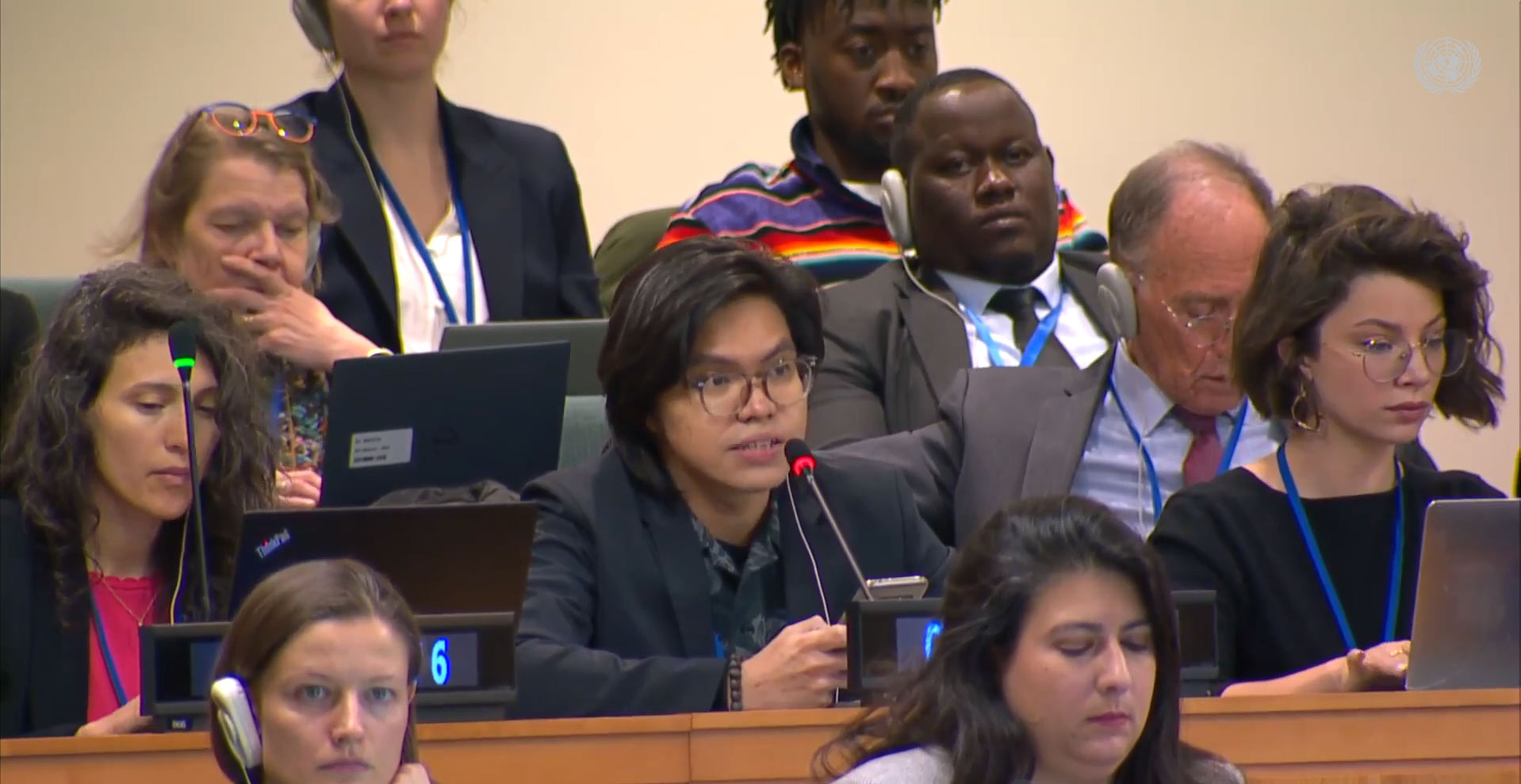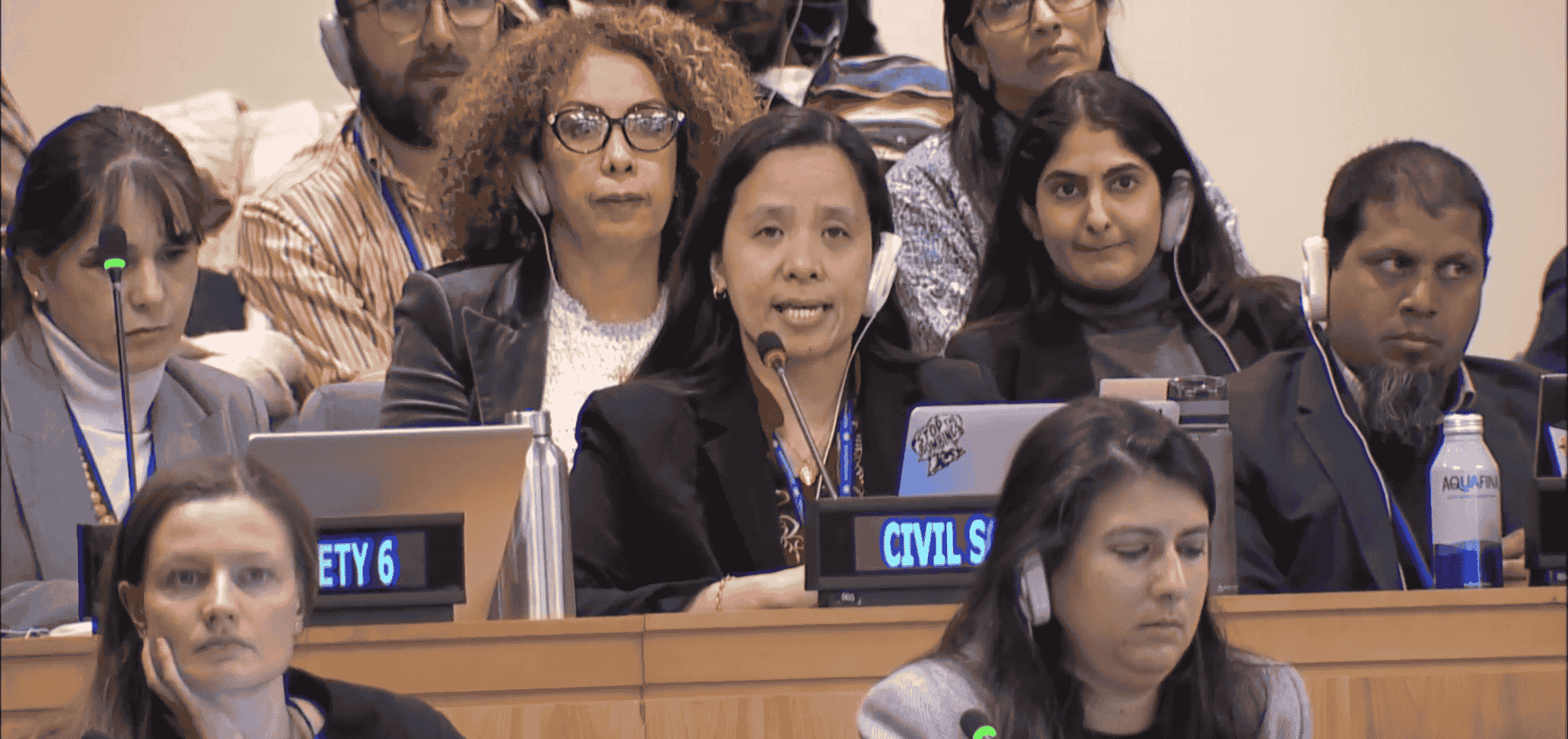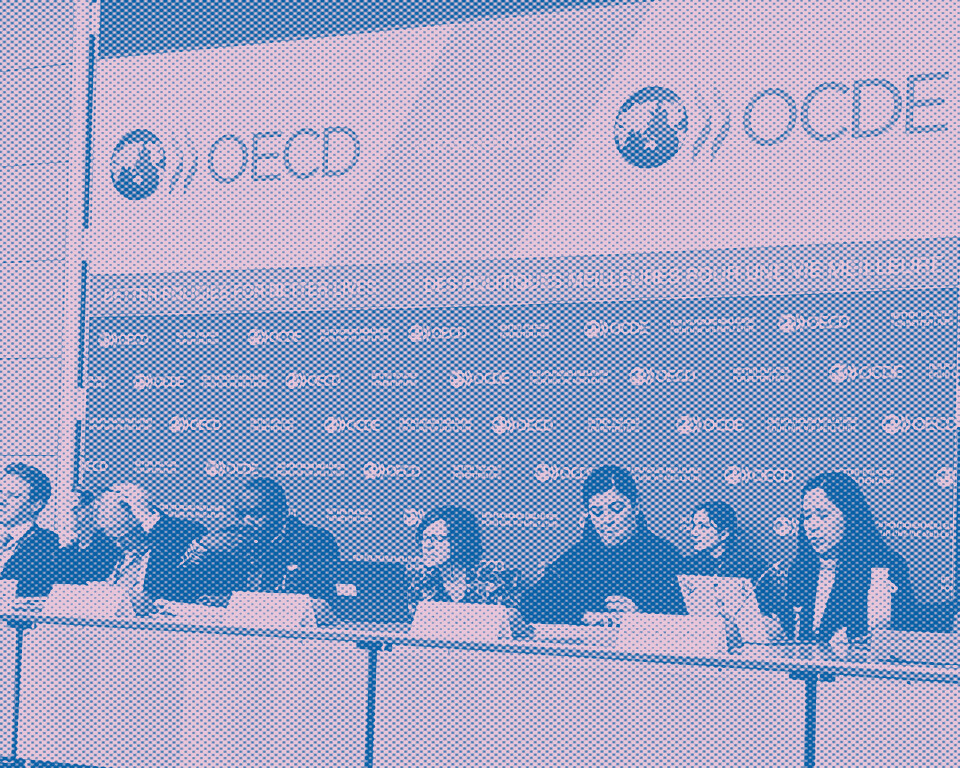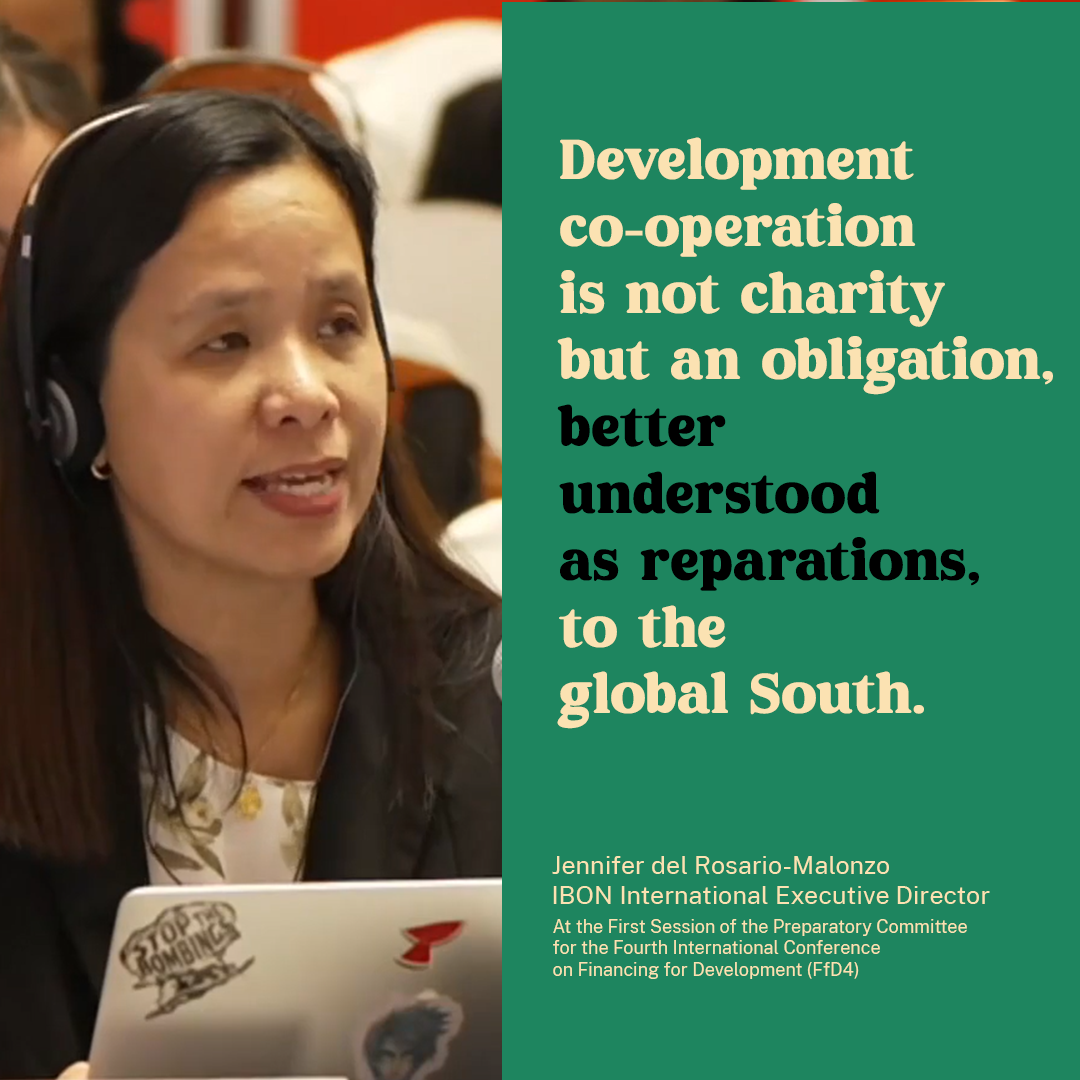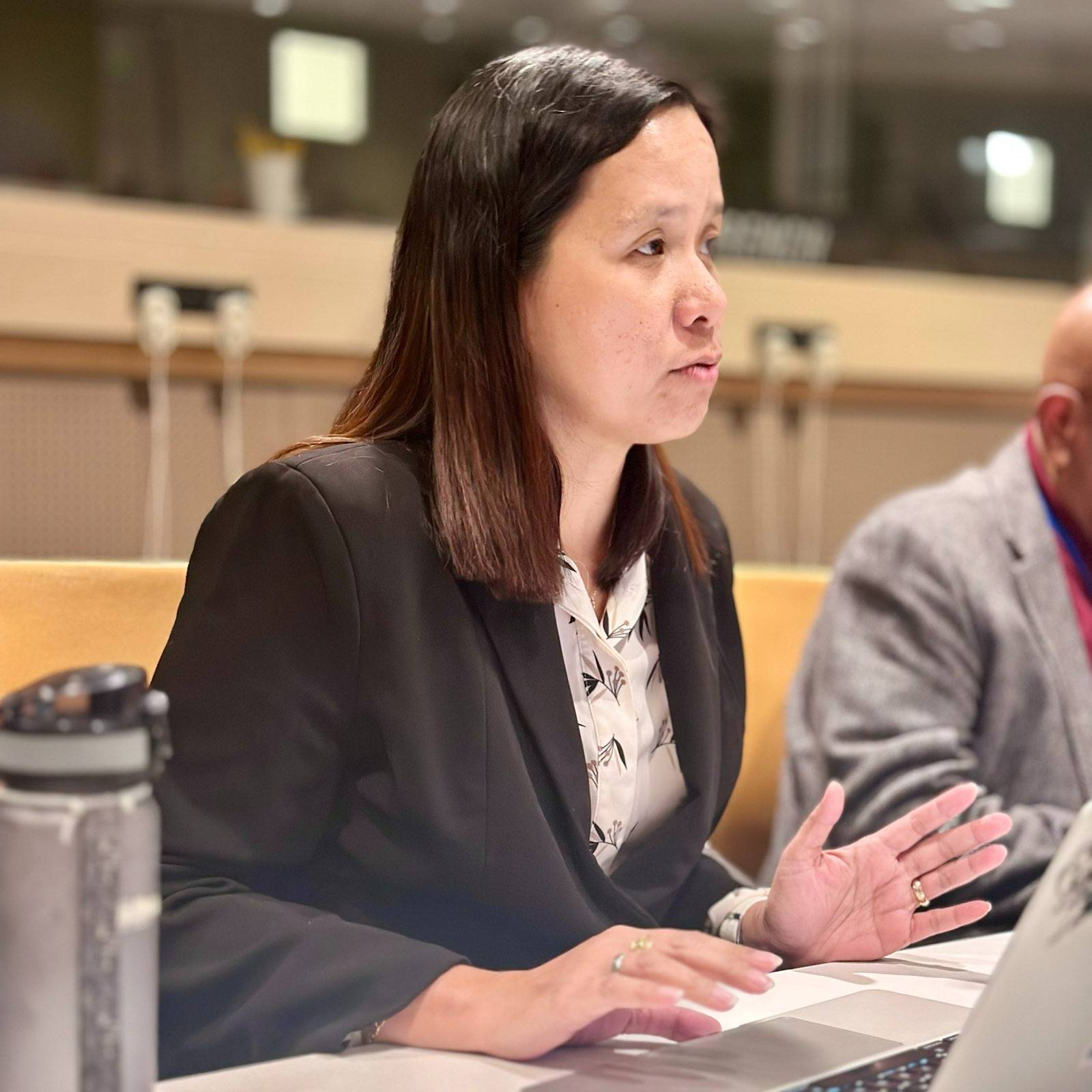
IBON International Executive Director Jennifer del Rosario-Malonzo delivered an input at the 2025 High-level Meeting of the Development Cooperation Forum (DCF) held on March 12-13, 2025. The following input was delivered for a March 13 panel titled, “Strengthening the coherence of international development cooperation to make it fit for purpose.” It has been edited for clarity.
Coherence is a necessary element in international development cooperation amid a world context detrimental to the development of countries in the Global South. This context is characterised by self-serving unilateral actions by some powerful states; an architecture driving resource outflows from the Global South to the North; and increasing conflict and impacts of the climate crisis that destroy peoples’ development prospects. Despite and precisely because of this context, we need multilateral norms, institutions, and policies that can, as an architecture and system, support the development of the Global South. So it is always good to ask: Coherence for what and whose benefit?
We push for a Convention on International Development Cooperation that can create new norms borne of a democratised development cooperation architecture and governance that affirms the right to development and self-determination.
Specifically, a Convention could:
This global Convention should facilitate coherence with regional cooperation and national efforts.
We should start by ensuring that global and regional norms, including international development cooperation, allow maximum policy and fiscal space for structural change—industrial and agricultural transformation—to happen at the national level. Regional cooperation and integration should be defined by gaps and opportunities that countries can advance only in cooperation with others in their region.
In a Convention on International Development Cooperation, putting the transformation of countries in the Global South as the foundation of regional coherence and integration means differentiation in North-South roles. The Convention should offer some flexibility for Southern development actors, ensuring democratically-determined development plans, a focus on results, and accountability to the people while improving the role of Southern countries in ODA leadership and governance.
In conclusion, new development cooperation norms—through a Convention—should place the supportive role of international development cooperation for Southern structural transformation by creating enabling international rules and stemming the financial drains from the global South.
In the long run, if development cooperation can successfully support structural change across countries, it opens the possibility of an “aid exit.” By fulfilling historical commitments and undoing the power and economic dynamics incoherent with Southern development, we can create self-reliance wherein countries can provide for domestic needs without dependence on external finance. #